

Newborn Checklist for Singapore Parents: What You Actually Need
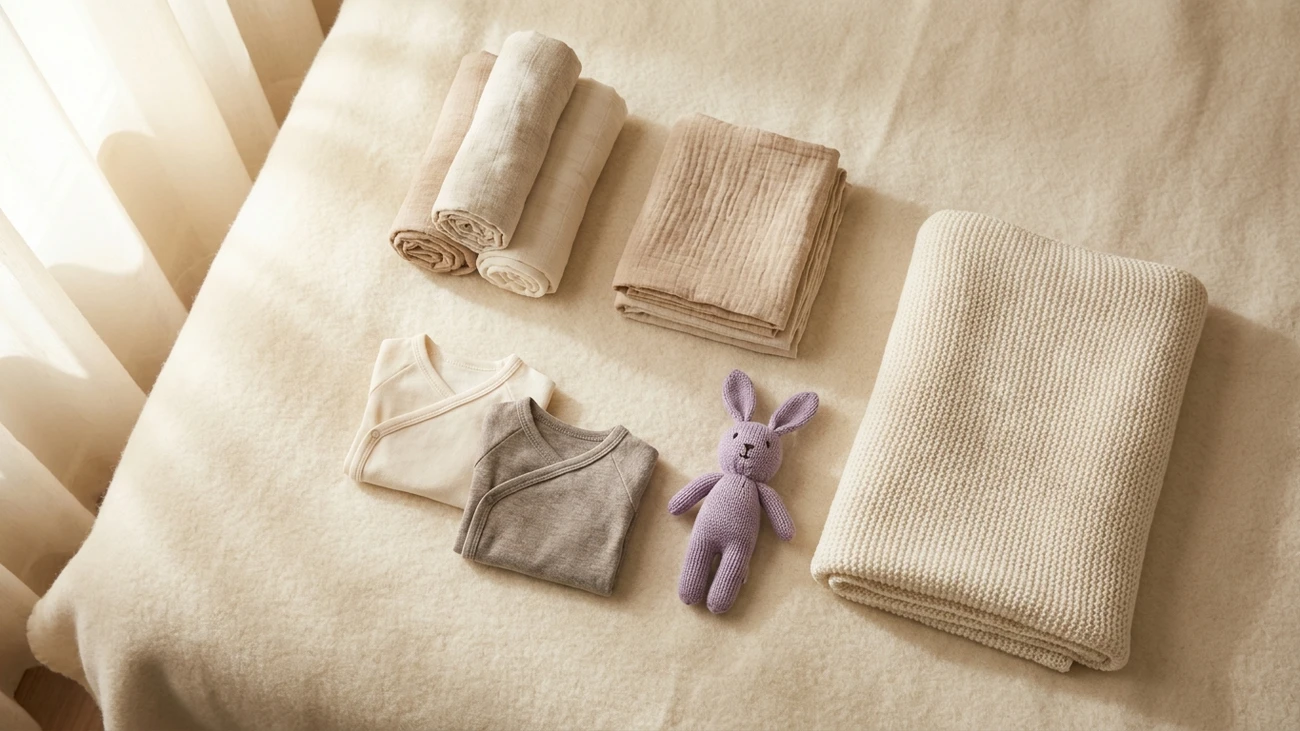
Somewhere between the baby shower registry and the "top 50 must-haves" lists online, most Singapore parents end up with two things: a spare room full of boxes, and still no idea whether they actually have what they need. This is the list we'd hand a friend. It is prioritised, sized for HDB and condo living, built around Singapore's climate, and honest about what you can skip.
Start with a list of what you actually need
A newborn needs less than the shops want you to believe. In a hot, humid climate, in a flat where storage is precious, the parents who cope best in the first month are usually the ones who bought fewer things, but the right things. Before you order anything, sort your list into four buckets: sleep, feeding, clothing, and paperwork. Everything else, the toys, the gadgets, the "nice to have" gear, can wait until you actually meet your baby and see what your days look like.
The sleep setup
This is the one area where the guidance is not a matter of taste. HealthHub Singapore advises letting your baby sleep on their back, and for babies under 6 months, keeping blankets, pillows, cot bumpers, soft toys, and other loose items out of the crib, since these raise the risk of sudden infant death syndrome (SIDS). The American Academy of Pediatrics gives the same core guidance: place your baby on their back for every sleep, on a firm, flat mattress with a fitted sheet, and keep loose blankets, pillows, stuffed toys, and bumpers out of the sleep space entirely.
In practice, that means a crib, bassinet, or co-sleeper with a firm, flat mattress and nothing else in it, not even the plush toy from the baby shower. For HDB and condo flats where floor space is tight, a compact bassinet next to your bed for the first few months is usually the more practical choice than a full-size crib from day one, and it keeps baby within arm's reach for night feeds. Whatever you choose, resist the urge to add a cot bumper or a "breathable" pillow just because it is marketed for newborns.
Feeding supplies
Whether you are breastfeeding, formula feeding, or a mix of both, a few essentials cover most of the first weeks: a good nursing pillow or simply a firm cushion, a manual or electric breast pump if you plan to express, a small starter set of bottles, and if you're formula feeding, one tin to begin with rather than a stockpile, since babies sometimes need to switch formulas and you don't want a cupboard of an unused brand. A bottle steriliser is genuinely useful in Singapore's humidity, where things dry slower and hygiene matters more. If feeding questions come up in the first weeks, our own Care of Newborn Course spends real time on this, with hands-on demonstrations rather than just a slideshow.
Clothing sized for Singapore's climate
Singapore rarely gets cold enough to need the padded newborn outfits sold in cooler-climate baby stores. Stick to lightweight, breathable cotton: 6 to 8 short-sleeve bodysuits, a handful of soft cotton rompers, and a few muslin swaddles that double as light covers, burp cloths, and sun shade over the pram. Newborns grow fast, often out of the "newborn" size within a few weeks, so buy sparingly in that size and stock up more in 0 to 3 months once you know your baby's build. Humidity also means everything needs to dry properly between washes, so having enough bodysuits and swaddles in rotation matters more than having a large wardrobe of any single item.
Getting around: car seat and travel
If you own a car, or expect to travel by private-hire vehicles like Grab or Gojek with your baby, a car seat is not optional. Under Singapore's Road Traffic Rules, confirmed by the Singapore Police Force, any passenger under 1.35m travelling in a motor vehicle must be properly secured with an approved child restraint. SingaporeLegalAdvice.com notes this applies to private vehicles and private-hire cars alike, with a S$150 composition fine for non-compliance, and that seats need to carry an approved certification mark. Sort your car seat out before your due date rather than after, so it is already installed and checked when you leave the hospital.
Newborn essentials checklist
Tick off what you already have. Print it and bring the gaps to your next shopping trip.
0 of 13 ready
Paperwork: birth registration and Baby Bonus
The admin side of a newborn matters just as much as the physical gear, and it has a deadline. Every birth in Singapore must be registered with ICA within 42 days, at a cost of S$18 per child. Most parents register online through LifeSG if eligible (both parents need Singpass, and the marriage needs to be registered in Singapore), otherwise it's a walk-in at the ICA building with identification documents on hand.
Separately, look into the Baby Bonus Scheme, which currently provides a Cash Gift of $11,000 for a first or second child, alongside government co-matching in a Child Development Account. These figures are current as of this writing and should be treated as an estimate, not a promise, since scheme terms and amounts are reviewed and can change. Check the official LifeSG page for the exact figures that apply when your baby is born.
What not to overbuy
A few categories are easy to overspend on before you know what your baby actually needs. Newborn-size clothing is the biggest one: many babies outgrow it within a few weeks, so buy a small amount and hold off on the rest until you see your baby's size. Wipe warmers, dedicated nursery furniture sets, and elaborate bath tub systems all sound essential in a shop, but most parents use a fraction of what they buy. Formula stockpiles are another trap, since some babies need to switch brands after birth for reasons you can't predict in advance.
You also don't need to buy anything to bond with your baby. Skin-to-skin contact, talking to your baby, and simple touch do more for bonding than any product on a shelf. We go into this more in our piece on 5 Ways to Bond with Your Baby. If you'd rather learn hands-on than read another article, our Parent & Baby Bonding Class teaches baby massage and everyday newborn-care skills that no gadget can replace. Our Care of Newborn Course is made for parents who want practical skills rather than another purchase before the baby arrives.
Frequently asked questions
What do I really need before bringing my newborn home?
The short list is a safe place to sleep, enough clothing for Singapore's climate, feeding supplies, nappies, and your paperwork ready. Everything else on a typical registry, from wipe warmers to newborn shoes, can wait or be skipped entirely.
What is the safest sleep setup for a newborn?
Health authorities recommend placing your baby on their back to sleep, on a firm, flat surface, with no pillows, loose blankets, bumpers, or soft toys in the cot. HealthHub Singapore and the American Academy of Pediatrics both give this same core guidance for reducing the risk of SIDS.
Do I need a car seat if we mostly use Grab or taxis in Singapore?
Under Singapore's Road Traffic Rules, any passenger under 1.35m travelling in a private vehicle or private-hire car such as Grab or Gojek must be secured in an approved child restraint. If a car seat is likely, plan for one before your baby is due rather than scrambling after birth.
How soon do we need to register the birth, and what does it cost?
Births in Singapore must be registered with ICA within 42 days, and registration costs S$18 per child. Most parents register online through the LifeSG service if eligible, or walk in with identification documents.
What is the Baby Bonus Scheme worth?
Under the current scheme, the Cash Gift is $11,000 for a first or second child, on top of government co-matching in the Child Development Account. Treat these figures as estimates, since scheme terms are periodically revised, and check the official LifeSG page for the latest numbers before you budget around them.