

5 Ways to Bond with Your Baby
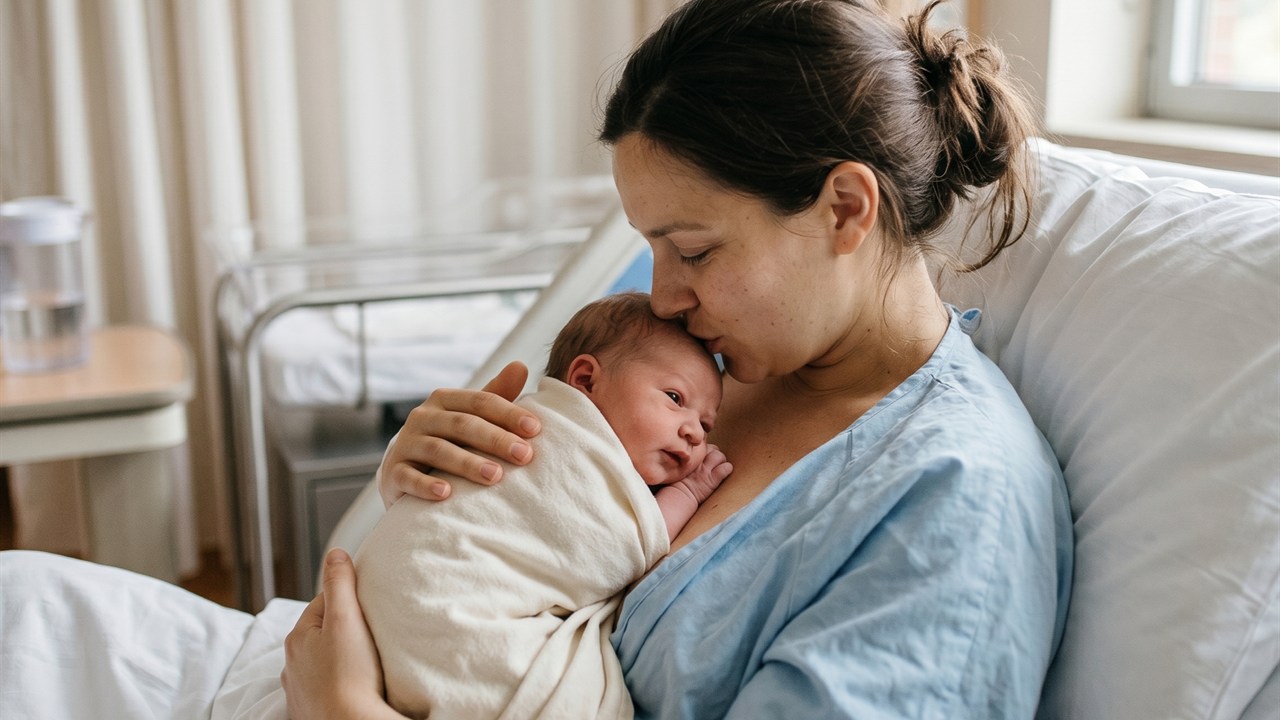
You’re finally meeting your bundle of joy. Just thinking about cradling him in your arms, it’s easy to feel overwhelmed with endless love and happiness. Apart from cuddling, there are many ways you can bond with your baby, and research has proven the benefits, too.
Why bonding matters
Studies have shown that babies who bond well with their mothers are less likely to suffer from despair. While most babies are ready to bond immediately, parents may have a different feeling about this. Some parents feel attached immediately, but others require time to do this. Since bonding is a process, it cannot take place in a short time. Bonding involves everyday caregiving. You may not even know it’s taking place until you see the smile on your baby’s face.
Bonding in the early months helps build your baby’s brain. It shapes how your baby handles feelings and stress, and how he forms relationships later in life. The good news is that bonding doesn’t need expensive equipment, advanced parenting techniques or even a lot of time. It happens in small moments, again and again, when you are with your baby, paying attention to what he needs and being patient.
Bonding is a process. It cannot take place in a short time. You may not even know it’s happening until you see your baby smile.
Five ways to bond with your baby
Breastfeed your baby
If you’re looking for the best opportunity to bond with your baby, breastfeeding is the right option. While breastfeeding, he’ll snuggle close and take in the sound of your heartbeat, your smell, and the sensation of your touch. This is also the best time to talk soothingly as you gaze into each other’s eyes. Breastfeeding is the first way through which the baby learns to trust you, hold him close and give him all the attention, nourishment, talking, and touching he needs.
Massage your baby
Daily baby massage is a great way to bond with your baby. Studies have shown massage may relieve colic, promote sleep, and improve your baby’s immune system. Since massaging immediately after feeding may make them vomit, wait for at least 45 minutes. If your baby becomes stiff in your arms or turns his head away, that’s the right time to massage. Create a calm atmosphere, control your touch, stay relaxed, and watch how he responds. BMB’s baby massage classes teach you the technique step by step.
Talk and sing to your baby
From the very first weeks, babies recognise your voice and respond to it. Talk him through what you’re doing as you feed, change and dress him. Sing the lullabies you remember, even badly. Read picture books aloud well before he could possibly “read” along. Hearing your voice this often helps his language develop and tells your baby he can count on you being close by.
Skin-to-skin contact
Skin-to-skin (or “kangaroo care”) is one of the most powerful bonding tools available. Lay your baby on your bare chest under a blanket for 20 minutes or more. The heart-rate and breathing regulation that happens between you both is measurable. Dads should do this too; it’s not a mum-only practice. Many new families schedule a daily skin-to-skin session as part of the bedtime routine.
Read and respond
Babies tell you what they need from birth. They just don’t use words. A particular cry pattern means hungry; another means tired; another means overstimulated. By gently figuring out which is which and responding consistently, you teach your baby that the world (and you) are predictable and trustworthy. That trust is what attachment is built on.
Carry your baby
Babywearing in a sling or wrap keeps your baby close to your heartbeat, your warmth, and your scent, the things he was used to before birth. Many mums find a fussy baby calms within minutes of being worn, and it leaves your hands free for the rest of life. A few hours a day in a properly-fitted carrier strengthens the bond without you having to set aside dedicated “bonding time.”
Where a class or a session fits in
Everything above is free and happens at home, which is the point. Some parents still like being shown the technique once by someone who does it every day, particularly for massage, where pressure and timing make the difference between a baby who settles and a baby who squirms. Our baby massage classes walk you through the strokes step by step and send you home able to do it yourself.
Baby spas are the other thing parents ask about, and they are not the same as massage. If you are considering one, read our guide to baby spas in Singapore and what parents should know first. It covers the age guidance, what the evidence supports, and the safety warning issued about neck floats, which is the part most listings leave out.
Bonding with your baby: common questions
When can I start massaging my baby?
Most parents start in the early weeks, once feeding is established and your baby is settled. Wait at least 45 minutes after a feed so the massage does not bring milk back up, and take a stiff body or a turned-away head as a sign to stop and try later. A class is the quickest way to get the pressure right.
How long should skin-to-skin last?
Twenty minutes or more is the usual guidance, lying your baby on your bare chest under a blanket. Shorter sessions still count, and consistency matters more than duration. Partners should do it too; it is not a mum-only practice.
Is a baby spa the same as baby massage?
No. Baby massage is hands-on touch you can learn and do at home. A baby spa is a commercial session that usually involves water, and the two have different safety considerations. Our guide to baby spas in Singapore covers the age guidance and the neck-float warning before you book anything.
What if I do not feel an instant bond with my baby?
That is far more common than most parents are told. Bonding is a process built out of everyday caregiving, not a single moment, and plenty of parents need weeks rather than minutes. If low mood or detachment persists beyond the first couple of weeks, speak to your doctor, as postnatal depression is common and treatable.