

Hiring a Confinement Lady in Johor Bahru: Rates, What They Do, and How to Choose Well
In the first month home with a newborn, you need good food, enough sleep and an extra pair of hands. In Johor, many families still get all three the traditional way, with a confinement lady who moves in for the month. Here is what she does day to day, what families usually pay, when to book, and the questions to ask so the month goes smoothly.
What a confinement lady does for 28 days
The standard engagement is live-in, usually 28 days, with extensions by agreement. Traditional confinement itself runs longer in some households, about 30 days in Chinese practice and up to 44 in Malay pantang, so settle the length before she starts.
Day to day, her work centres on mum and baby:
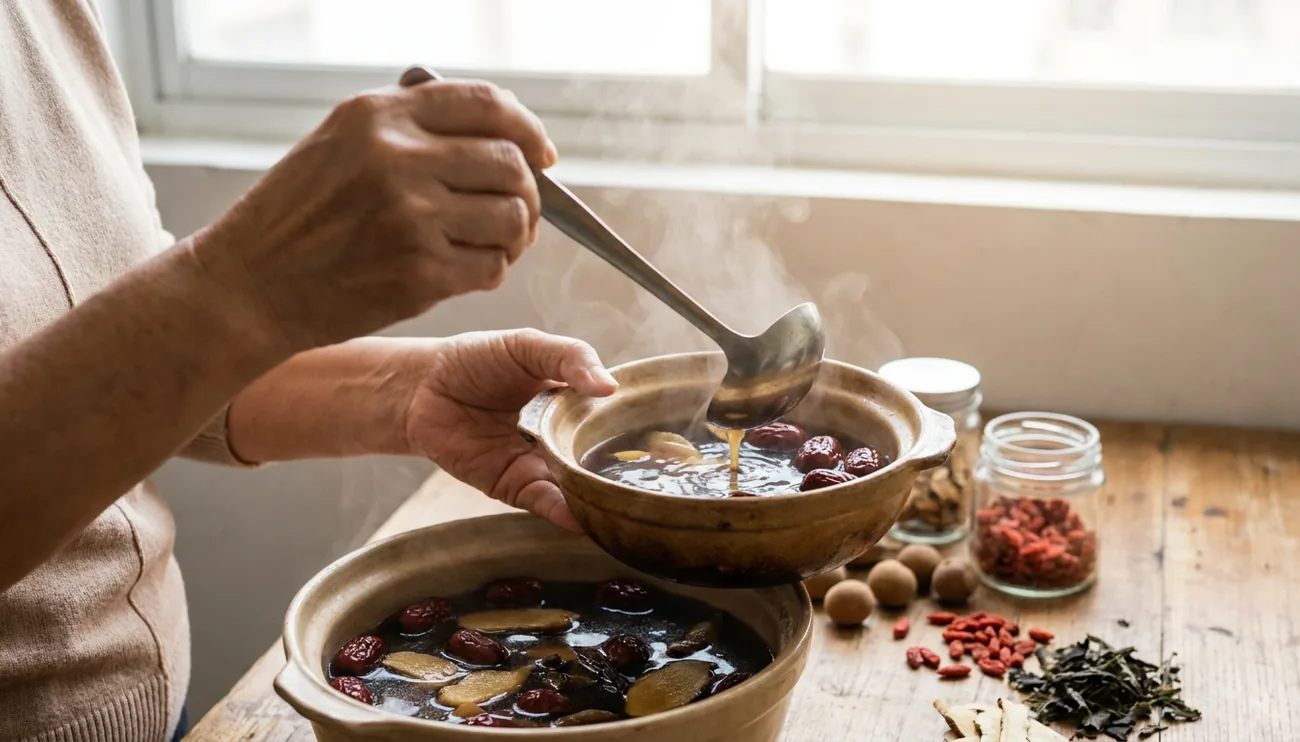
- Confinement cooking: warming soups, red date tea and meals built around traditional heating ingredients, adjusted to your dietary needs.
- Night feed support: settling baby between feeds and bringing baby to you for nursing, so you can sleep in longer stretches.
- Baby care: bathing, nappy changes, swaddling, and baby laundry.
- Light housework tied to mum and baby: sterilising bottles, keeping the kitchen and nursery in order.
- Traditional practices: many prepare herbal baths and follow the customs your family observes. Tell her early which practices matter to you and which to skip.
General housekeeping for the rest of the family is not part of her usual job. If you want it covered, agree on it with her clearly.
What she is not
Even an experienced confinement lady cannot do the job of three other professionals. She is not a nurse: if baby is feverish, unusually sleepy or yellowing, baby needs a doctor. She is not a lactation consultant: she can bring baby to you at 3am, but latch pain and supply worries need a trained professional. And she is not a massage therapist: postnatal recovery treatment is a separate profession with its own training. Knowing these limits upfront saves disappointment on both sides.
A confinement lady cooks, helps at night and bathes the baby. She does not treat your body as it recovers from giving birth.
What it costs in JB
Use every figure here as a rough guide for planning. These are not fixed prices. Live-in confinement ladies in Johor usually quote around RM4,000 to RM8,000 for 28 days. This is an estimate only. Check current rates when you hire, because quotes change with her experience, twins, extra days and the time of year. Daytime-only arrangements usually cost less.
Two habits protect you: ask exactly what the price covers, and get it in writing, even if you found her through word of mouth. A one-page agreement may feel awkward for five minutes, but it prevents the arguments that matter later.
When to book
By mid-pregnancy is the safe answer. Experienced ladies take bookings back to back, so make a shortlist once your due date is firm and confirm around the second trimester. If your due date is anywhere near Chinese New Year, book even earlier. Around CNY, ladies across Johor and Singapore get booked up at the same time, and the few still free charge more.
How to vet: agency, freelance and the sick-day question
You will hire one of two ways. An agency placement usually costs more and should include a replacement if she falls sick or does not suit you. A freelance hire is often cheaper and can be excellent, but you have to do all the checks yourself, and there is no backup if she cancels a week before your due date.
Either way, the checks are the same: references from recent families rather than testimonials on a flyer, a recent health screening, and honest answers to the questions below. Expect the first few days to be an adjustment, and agree upfront how a genuine mismatch would be handled.
10 questions to ask before you book
Tap a question to see why it matters.
1. What exactly does the 28 days include?
Get the scope in writing: confinement cooking, night duty, baby laundry, and anything excluded. Most disputes trace back to a duty one side assumed and the other never agreed to.
2. Have you cared for a baby in my situation before?
Twins, a caesarean recovery or a premature baby all change the job. Ask her to give real examples. A general yes is not enough.
3. Can I speak to two recent families?
Speaking to references you can actually call is the best way to judge her. Ask them what they would change. That tells you more than asking whether they liked her.
4. Do you have a recent health screening?
She will hold your newborn around the clock. A current health check is a standard, reasonable request, and a professional will not be offended by it.
5. How do you handle nights if I am breastfeeding?
You want her bringing baby to you and resettling afterwards, not quietly topping up with formula against your plan. Agree on this before her first day.
6. Which confinement practices do you follow, and which are flexible?
Some ladies hold firmly to traditional rules on bathing, food and visitors. Decide which customs you want kept and which you want relaxed, and check she can work your way.
7. What are your rest arrangements?
A live-in month with no agreed rest ends in an exhausted carer for your newborn. Clear expectations protect everyone.
8. What is the daily rate if I extend?
Many families add days once the month is ending. Confirm the rate and her availability now, while you still have negotiating room.
9. What happens if you fall sick mid-month?
The sick-day question. Agencies should name a replacement policy; a freelancer should tell you honestly that there is none, so you can plan a fallback.
10. What deposit do you need, and when is the balance due?
A modest deposit with the balance at the end is normal. Full payment in cash upfront, with nothing in writing, is your cue to keep looking.
Hiring in JB is not the same as hiring in Singapore
For a family in JB engaging someone locally, this is a private arrangement: no work pass, no levy, no government paperwork. Across the Causeway the rules change. A Malaysian confinement nanny working in a Singapore home needs the Ministry of Manpower's dedicated work permit, issued for up to 16 weeks from the birth, with a levy payable. Planning confinement at home in Singapore instead? Our confinement nanny in Singapore guide covers the costs, permit rules and timelines on that side.
What she does not cover for you
A confinement lady looks after the home side of your recovery, but she does not treat your body after birth. Postnatal massage, jamu and belly binding work well alongside her month. Our guide to the jamu tradition explains the herbal history behind the customs she follows, our bengkung belly binding guide covers the wrap many Malaysian mums ask about, and lactation massage helps with engorgement and supply concerns in the early weeks.
This is the work BMB has done since 2009, now on the JB side at Level 2 of The Avenue M, along the Skudai Highway. WhatsApp +65 8368 2756 to plan recovery sessions around her stay. And if a live-in hire is not for you at all, our confinement centre in Malaysia guide compares the other route properly.
Frequently asked questions
How much does a confinement lady cost in Johor Bahru?
Live-in confinement ladies in Johor usually quote around RM4,000 to RM8,000 for 28 days. Use this as a rough guide for planning. It is an estimate only, so check the rate when you hire: quotes change with her experience, twins, extra days and the time of year.
When should I book a confinement lady?
By mid-pregnancy. Experienced ladies confirm months ahead, so shortlist once your due date firms up. If it falls near Chinese New Year, book as early as you possibly can.
What is the difference between a confinement lady and a confinement centre?
A confinement lady lives in your home and gives one-to-one care on your own terms. A confinement centre is a stay-in facility with rotating staff, set meals and set routines. Cost bands overlap, so compare what each includes rather than the headline figure.
Does a confinement lady help with breastfeeding?
In practical ways, yes. She brings baby to you for night feeds and cooks the soups that tradition says help milk supply. For medical problems, no. She is not a trained lactation consultant, so latch pain, engorgement and real supply worries need a trained professional.