

Bengkung Belly Binding After Birth: What It Does, What It Doesn't, and How It's Worn
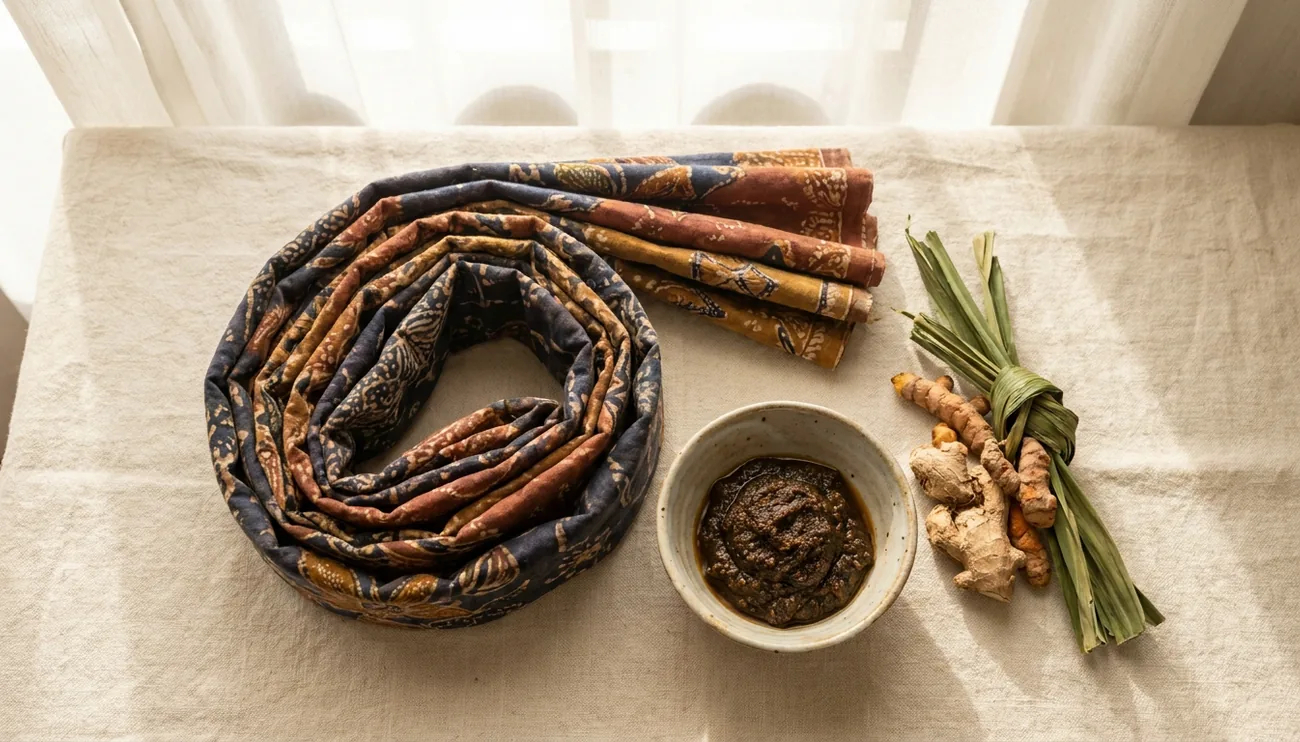
In the first weeks after birth, your body can feel strange to you. Your tummy is soft, your back is tired, and even standing at the steriliser at 3am is hard work for your core. For generations, mums in Malaysia, Indonesia and Singapore have used the same thing to help: a long cotton cloth wrapped snugly from hips to ribs during confinement. Beauty Mums & Babies (BMB) has offered this wrap since 2009, so here is an honest look at what it does, what it does not do, and how it is worn.
What the cloth actually is
A bengkung is a traditional Malay postpartum binding cloth: one long strip of woven cotton, wrapped in overlapping layers around the abdomen and hips. In Malay and Indonesian confinement tradition it is worn daily for weeks after birth, while the new mum rests, eats warming food and is cared for by family or a confinement nanny. The cloth goes by different names across the region, and the practice is centuries old.
At BMB we use a breathable, washable cotton version rather than a synthetic binder, because a cloth worn for hours has to move with you, survive daily washing, and re-tighten easily as your shape changes.
What it realistically helps with
Ask a mum who loved her wrap and she will usually say the same thing: it made her feel held together. In week two postpartum, that matters a lot. In our treatment rooms at Paragon in Orchard, these are the things mums mention most often:
- Comfort: gentle, even pressure around a soft postpartum middle simply feels good, the way a firm hug does.
- Posture support: the layers remind you to sit and stand taller through the endless feeding and carrying.
- Gentle abdominal support: while your core gets its strength back, the wrap helps steady you during everyday movement.
- A daily ritual: ten quiet minutes of being cared for, at a time when you are mostly caring for someone else.
So the benefits are comfort, support and the good feeling of being looked after. They are real benefits, but they are not magic.
The wrap supports you, but it does not heal you. Your body does the healing by itself, in its own time.
What it does not do
In this part, we want to be honest with you.
- It does not shrink your uterus. The uterus returns to its pre-pregnancy size on its own over roughly six weeks, a process called involution, wrapped or not.
- It does not fix diastasis recti by itself. Support may make movement more comfortable, but closing a separation is the work of guided core rehabilitation and time.
- It is not a waist trainer. It is worn at a snug, breathable tension for support, never to force a shape.
- It will not cause weight loss. Early changes on the scale are mostly fluid shifts, not fat loss from a cloth.
Guidance from bodies such as the World Health Organization and the American College of Obstetricians and Gynecologists centres postpartum recovery on rest, nutrition, gradual activity and mental health support. You can use a wrap alongside all of that, but it does not replace any of it. If your bigger question is about your figure, our guide on regaining your shape after pregnancy explains where wrapping fits in.
Safety notes worth taking seriously
Worn sensibly, a cotton wrap is a low-risk comfort measure. A few rules keep it that way:
- Snug, never tight. Two fingers should slide under the top edge while you take a full, easy breath. If the wrap changes your breathing, start again looser.
- C-section mums wait. The cloth crosses your incision line, so wait until the wound has fully healed and your doctor has cleared you. At BMB that usually means from week three to four postpartum, the same timing we use for the massage itself.
- Know the stop signs. Pain, numbness, tingling down the legs, or new pelvic heaviness or pressure all mean take it off and tell your doctor.
- Skin counts too. The wrap should never dig, chafe or leave deep marks, especially in our humidity.
Nothing here is medical advice. Your doctor knows your birth and your body best.
How it is traditionally worn
The traditional method is slow, and that is part of its appeal. The cloth starts low, anchored around the hips, then moves up the abdomen in overlapping passes, each held with a small twist or knot at the front. When finished, it looks like a neat column of fabric from hip to just under the ribs. Most mums wear it through the day during confinement and take it off for showers and sleep. Families do it differently, and no version of the tradition says it should hurt.
The wrap, step by step
Tap each step. Six passes, about ten minutes at the end of a home session.
Step 1: Lay out the cloth
The wrap is unrolled and smoothed flat while you stand or kneel comfortably.
Step 2: Anchor at the hips
The first pass sits low across the hips and pelvis, snug enough to stay put.
Step 3: Climb in overlapping passes
Each layer overlaps the one below by about half its width, with a small twist at the front to hold it.
Step 4: Check tension on every pass
Two fingers under each layer, breathing full and easy the whole way up.
Step 5: Finish below the ribs
The final pass ends under the ribcage, never over it, and ties off at the front.
Step 6: Re-check after ten minutes
Sit, stand and walk; anything that pinches gets re-tied looser.
Where the wrap fits at BMB
At BMB the wrap is an optional part of our signature postnatal massage package, and the order matters: massage first, then warm jamu paste on the abdomen, then the cotton wrap layered over it so the paste keeps working underneath. If jamu is new to you, our jamu paste guide explains what goes into it and why the tradition has lasted.
The full package typically runs 21 to 28 daily sessions, with home service anywhere in Singapore, and vaginal-birth mums can usually start in week one. Mums across the Causeway may know our Johor Bahru branch at The Avenue M for chiropractic care in Johor Bahru; message us and we will point you to the right postnatal option for your side of the border.
Frequently asked questions
How long should I wear a bengkung each day?
Tradition says most of the day through confinement, taken off for showers and sleep. In practice, start with a few comfortable hours and build up; many of the mums we wrap settle between four and eight hours a day. Let comfort set the limit: if you are counting the minutes until it comes off, it is too tight or on too long.
When can I start belly binding after a C-section?
Wait until your incision has fully healed and your doctor has given the all-clear. At BMB that usually means from week three to four postpartum, the same timing we use for postnatal massage after a C-section. Never wrap over a healing wound, and stop if you feel pulling around the scar.
How is a bengkung different from a modern postpartum girdle?
A bengkung is one long cotton cloth, wrapped and knotted to fit your body on the day, so the tension can vary layer by layer and the fabric breathes in our climate. A girdle is an elastic garment with hooks or velcro: quicker to put on, but one fixed shape. Neither speeds healing; choose the one you will actually wear.
Does belly binding help diastasis recti?
Not on its own. There is no good evidence that a wrap closes the separation by itself. Support can make daily movement more comfortable, which has value, but the mainstay is guided core rehabilitation and time. Ask your doctor or a women's health physiotherapist to check the gap at your six-week review.