

Baby Spas in Singapore: What Age, What's Safe, and What Actually Helps
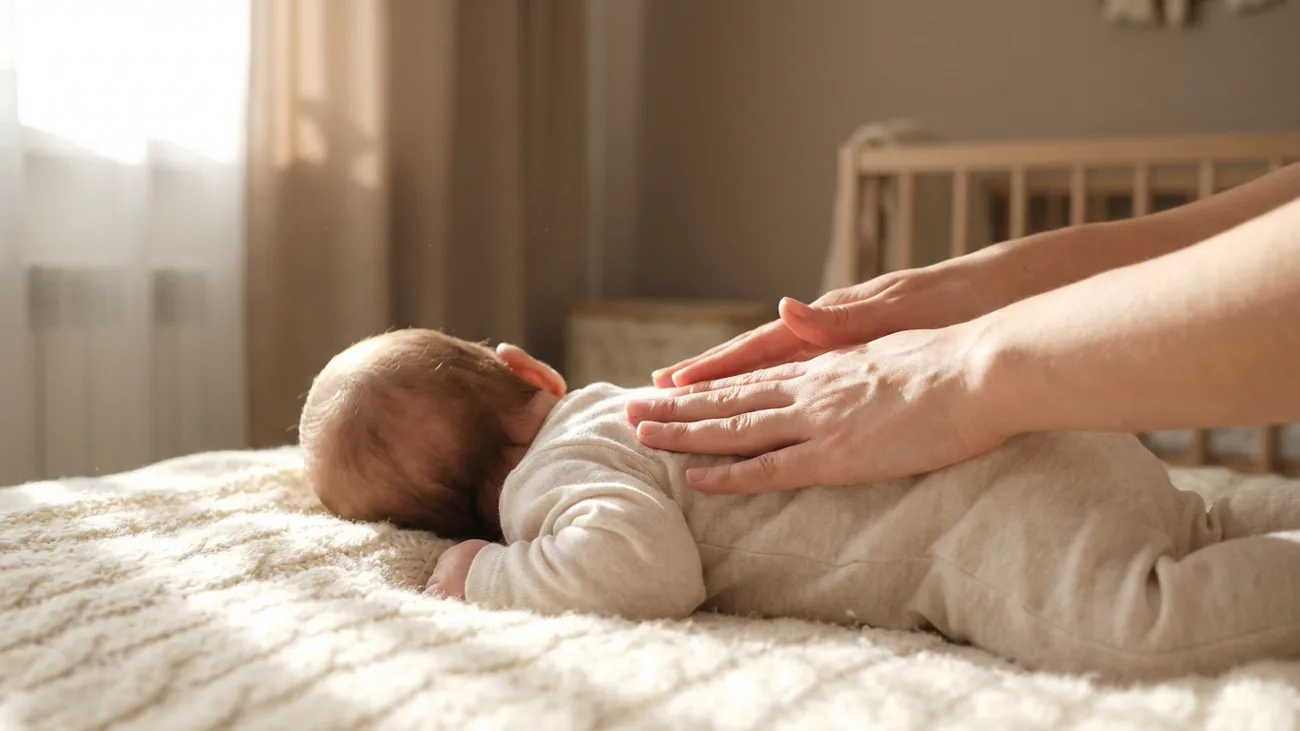
The photos are irresistible: a tiny baby bobbing in warm water, arms out, a soft ring around the neck, looking like the most relaxed person in Singapore. Baby spas have become a popular treat, and the questions in our inbox are always the same. Is it safe? What age can we start? And do those neck floats do what the pictures promise? Here is a straight, parent-to-parent answer, with the safety guidance quoted from the actual sources rather than the marketing.
What a baby spa session usually is
A baby spa session in Singapore usually combines two things: a short warm-water float, often using a neck ring or other flotation aid so the baby can move freely, followed by an infant massage. The float is the part that looks good in photos. The massage is the part with the clearest benefit. It helps to keep this split in mind, because the safety questions and the benefit questions are about different halves of the session.
The water half needs the most care. The massage half has the best evidence that it helps, and it is also the part you can learn to do yourself at home.
The float is the part everyone photographs. The massage is the part that actually helps, and it is the part you can do at home.
Are baby neck floats safe? The FDA answer
Start here, because this is the question with a clear official answer. The U.S. Food and Drug Administration warns parents, caregivers and health care providers not to use baby neck floats for water therapy. In its 2022 safety communication, the FDA says the use of these products, especially with babies who have developmental delays or special needs such as spina bifida, spinal muscular atrophy type 1, Down syndrome or cerebral palsy, can lead to death or serious injury. The warning is strongest for those babies, but it is a warning against the product generally.
The FDA lists the risks as death from drowning and suffocation, and strain and injury to a baby's neck. It also states plainly that the safety and effectiveness of neck floats to build strength, to promote motor development, or as a physical therapy tool have not been established. In the incidents that prompted the warning, one baby died and another was hospitalised, and the FDA notes the injuries happened when the babies were not being directly monitored. None of this means water play is forbidden. It means a neck float is a device the FDA has specifically flagged, so if a spa uses one, that is a reason to ask questions, not to assume it is fine because it looks fun.
What age can a baby start?
There is no single official start age for a baby spa, so the honest approach is to borrow the water-safety guidance that does exist. The American Academy of Pediatrics says formal swim lessons can begin for many children starting at about age 1, and that there is no evidence infant swim programs for babies under 1 lower their drowning risk. What the AAP does say is fine for younger babies is a parent-child water play class, described as a fun way to help an infant get used to the pool, with a parent holding the baby the whole time.
In any kind of water, supervision is a must. The AAP and every drowning-prevention body are consistent that a young child in water needs constant, close supervision within arm's reach, and a baby should never be left in a float or in the water unattended, not even for a moment. For the massage half of the session, gentle infant massage is used from the early newborn weeks. If your baby is very young, premature, or has any health concern, ask your paediatrician about your own child rather than a general age rule.
What suits your baby right now?
Pick your baby's stage to see which touch and water activities fit, and the safety note that goes with each.
Newborn weeks: touch over water
- Gentle infant massage, calm room, skin contact and eye contact.
- Plenty of skin-to-skin holding and short, supervised tummy time while awake.
- Warm, shallow bath time held securely in your arms.
Safety note: the FDA advises against baby neck floats at any age. There is no evidence swim programs help babies under 1, so skip the float and keep this stage about touch and gentle bath time, with a hand on your baby the whole time.
Getting stronger: play and massage
- Continue infant massage as a daily wind-down or pre-bath routine.
- Longer, more active tummy time as head control improves.
- From around 6 months, a parent-child water play class the AAP describes as a fun way to get used to the pool, held by you throughout.
Safety note: the AAP does not recommend formal swim lessons under 1, and a parent must hold the baby in any water. No neck floats, and never leave your baby unattended in the water, even briefly.
On the move: water play, still with you
- Parent-child water play remains the AAP's suggested route before formal lessons.
- Massage stays useful for winding down and connection as the day gets busier.
- Formal swim lessons become an option for many children from about age 1, so this is the run-up.
Safety note: some infants can reflexively float on their backs but cannot swim or reliably lift their head to breathe, so a float is never a substitute for hands-on supervision within arm's reach.
A general guide, not medical advice for your specific baby. When in doubt, ask your paediatrician. To learn the massage itself, see our Parent & Baby Bonding Class.
What actually helps: the massage, not the float
Here is the reassuring part. The half of a baby spa with the best evidence behind it is the infant massage, and it costs nothing but your hands and ten calm minutes. Infant massage is a well-studied, safe practice, most valued for calming, touch and bonding. A 2023 research review reports that massage given by mothers can reduce parental stress and depressive symptoms and improve maternal-infant interaction in the short term, and that in preterm babies it is linked with weight gain and shorter hospital stays. The evidence is stronger for the parent and bonding side than for big claims about development, so we are careful not to promise more than the evidence supports.
Plenty of parents also use gentle, clockwise tummy strokes to ease trapped wind and settle a fussy baby before sleep, and you can learn baby massage step by step in our Parent & Baby Bonding Class. Skin-to-skin holding and short bouts of supervised tummy time offer the same things: touch, warmth and closeness, and none of these need a float or a facility. If you have a baby spa budget, spend most of it on learning the massage.
How to choose a baby spa, if you go
If you do book a session, ask the questions a good provider will happily answer. The right answers tell you far more than the decor:
- Water and hygiene: how often is the water changed or filtered, and what is the cleaning protocol between babies?
- Flotation: what type of aid do they use, how is it fitted and checked, and given the FDA warning, do they use neck floats at all?
- Staff training: are staff trained in infant CPR and first aid, and how many adults are watching each baby?
- Session limits: how long is a session capped at for young babies, and will they shorten it if your baby is tired?
- If baby cries: what do they do if your baby is distressed, and are you free to stop at any point?
The age guide is simple: for babies under 1 there is no evidence swim programs help, so treat any water time as gentle play with a parent holding the baby, and focus on the massage. From about age 1, formal swim lessons become an option. For anything else, ask your paediatrician.
Frequently asked questions
Are baby spas safe?
A baby spa can be run safely. How safe it is depends on the setup and the supervision. The main risk is the water and any flotation aid, so a baby must never be left unattended in water, even for a moment, and a caregiver should stay within arm's reach. The FDA specifically warns against baby neck floats, so ask what flotation the spa uses before you book. The infant massage part of the session has the clearest benefit and the best evidence behind it.
What age can my baby start a baby spa?
There is no single official start age for a baby spa, so base the decision on water-safety guidance instead. The American Academy of Pediatrics says formal swim lessons can begin for many children from about age 1, that there is no evidence infant swim programs for babies under 1 lower drowning risk, and that a parent-child water play class can be a fun way to help an infant get used to the pool. For the massage part, gentle infant massage is used from the newborn weeks. When in doubt, ask your paediatrician about your own baby.
Are baby neck floats safe?
The U.S. Food and Drug Administration warns parents, caregivers and health care providers not to use baby neck floats for water therapy, saying their use, especially with babies who have developmental delays or special needs such as spina bifida, spinal muscular atrophy type 1, Down syndrome or cerebral palsy, can lead to death or serious injury. The FDA notes the safety and effectiveness of neck floats to build strength, promote motor development or serve as a physical therapy tool have not been established. If a spa uses neck floats, that is a reason to ask questions.
What are the actual benefits of baby massage?
Infant massage is a well-studied, safe practice most valued for calming, touch and bonding. A 2023 research review reports that massage given by mothers can reduce parental stress and depressive symptoms and improve maternal-infant interaction in the short term, and that in preterm babies it is linked with weight gain and shorter hospital stays. Many parents also use gentle tummy strokes to ease wind and support settled sleep. At BMB, baby massage techniques are taught step by step in the Parent & Baby Bonding Class.
Do I need a spa, or can I learn baby massage myself?
You can absolutely learn it yourself, and for the touch-and-massage benefit that is arguably the point. At BMB, Sister Kang teaches baby massage step by step in the Parent & Baby Bonding Class, with supervised practice so you can repeat it at home, and BMB also runs complimentary online baby massage classes that you can join and refresh as your baby's stage changes. The benefit comes from your own hands, and you do not need a facility for it.
How long should a baby spa session be?
There is no official session-length rule, so ask the provider what they cap sessions at for young babies and follow your baby's cues. The honest guide is to stop whenever your baby signals they have had enough. For any water time, keep it short, keep supervision constant and within arm's reach, and check with your paediatrician if your baby is very young or has any health concern.