

Baby Sleep Regression in Singapore: What It Is & What Helps
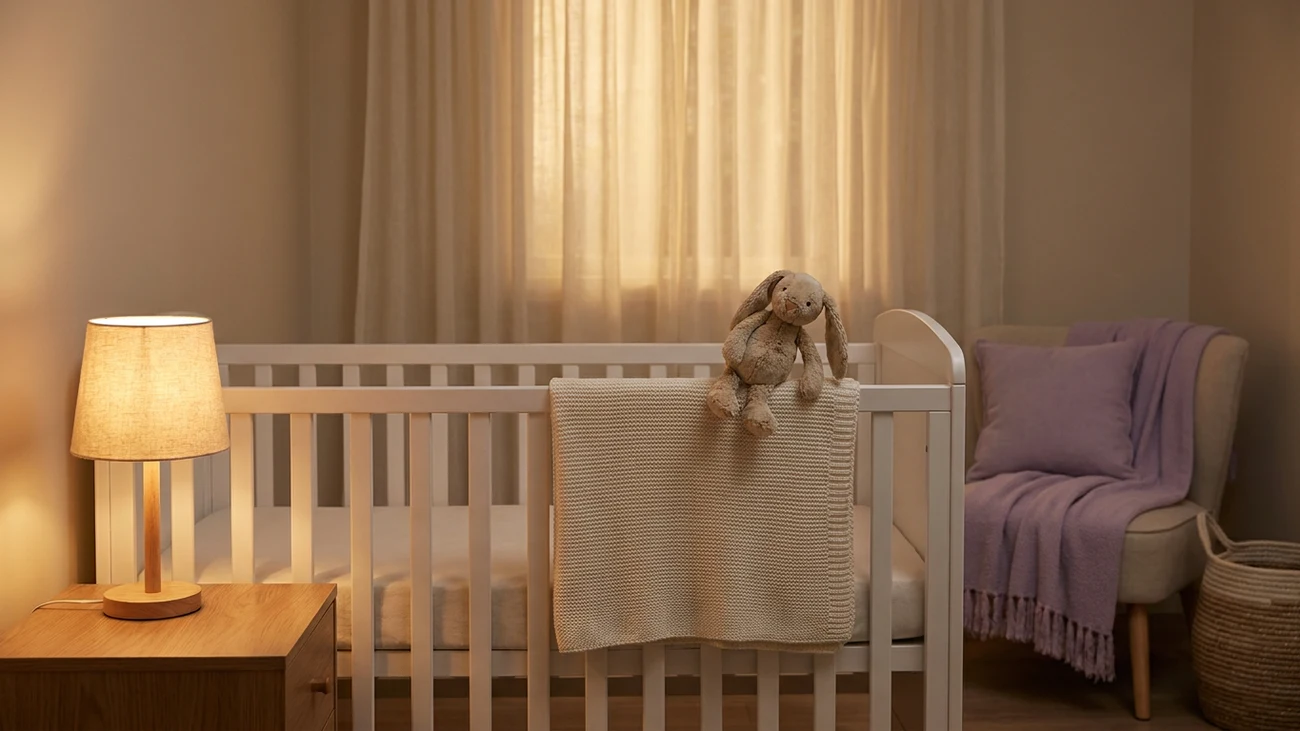
One week your baby is sleeping like, well, a baby. The next, bedtime is a battle, naps have shrunk, and you're up every two hours again wondering what changed. If this sounds familiar, it is very likely a sleep regression. It does not mean something has gone wrong. Here is what a sleep regression actually is, the ages it commonly shows up, why it happens, and what genuinely helps a tired Singapore family get through one.
If the broken nights go on, The Sleep Training Clinic offers one-to-one support with our sleep consultant, Estee Chew.
What a sleep regression actually is
A sleep regression is a temporary stretch where a baby who was sleeping reasonably well suddenly starts waking more often, fighting naps, or resisting bedtime, usually without any illness or change in routine to explain it. Sleep Foundation describes it as a period when a baby's brain and nervous system are forming new connections, which can temporarily unsettle sleep patterns that had started to feel predictable. It is frustrating in the moment, but it is also a sign your baby's brain is doing exactly what it should be doing at that age.
A regression does not mean your routine has gone wrong. It usually means your baby's brain is doing exactly what it should. The timing is just very inconvenient for everyone's sleep.
The ages parents ask about most: 4 months, 8 to 10 months, 18 months
There is no single universal timetable, and not every baby hits every regression, but a few ages come up again and again. Sleep Foundation lists regressions clustering around 4, 6, 8, 12 and 18 months during a baby's first two years. HealthHub Singapore's guidance groups them similarly, noting that regressions are normal developmental phases that typically occur around 3 to 4 months, 8 to 9 months, 12 months, 18 months and 24 months, usually lasting about 2 to 6 weeks. In practice, the 4-month regression tends to be the one parents notice most sharply, because it often marks the first time a baby's sleep cycles genuinely change shape, and the 8 to 10-month and 18-month windows tend to arrive alongside big physical or language leaps.
Treat these as rough, commonly cited windows rather than an exact schedule. Your baby may hit one early, skip another entirely, or barely notice a regression that flattened a friend's baby for weeks. That variation is normal too.
Why they happen: developmental leaps, not bad habits
It helps enormously to know that a regression is not caused by anything you did. Around 4 months, Sleep Foundation explains that a baby's sleep architecture matures as the process of forming and linking different areas of the brain creates temporary instability in sleep, on top of growing awareness of the world, which can make a baby more easily overstimulated. By 18 months, the picture looks a little different. Sleep Foundation points to expanding mobility, a growing sense of independence, separation anxiety and rapidly developing thinking and language skills as common drivers, alongside the very ordinary discomfort of teething. The 8 to 10-month window tends to line up with crawling, pulling to stand, and the first flickers of separation anxiety, all of which can make a baby more restless at exactly the time you were hoping for longer stretches of sleep.
None of this means you need to "fix" the leap itself. Your baby is simply busy growing, and sleep is temporarily paying the price for it.
What actually helps
There is no trick that makes a regression disappear overnight, but a few things genuinely help most families get through one with less chaos.
Keep the routine steady. Sleep Foundation's advice for both the 4-month and 18-month regressions comes back to the same idea: a consistent bedtime routine and a steady sleep-wake schedule, with bright, active daytimes and a dark, calm evening, helps a baby's body find its footing again once the developmental leap settles. Resist the urge to overhaul the routine mid-regression. Consistency now pays off once the phase passes.
Give self-settling a fair chance, gently. Where your baby is developmentally ready and it feels right for your family, letting your baby have a few minutes to try settling themselves before you step in can help sleep skills bounce back faster once the regression eases. This is a preference, not a rule, and there is no single right way to do it.
Protect the safe sleep basics, every single night. A tired household is exactly when safe sleep habits matter most, because exhaustion is when shortcuts creep in. The core guidance does not change during a regression: baby on their back for every sleep, on a firm, flat surface, with no pillows, loose blankets, cot bumpers or soft toys in the cot. The American Academy of Pediatrics' nine ways to reduce a baby's risk of SIDS and suffocation include room sharing without bed sharing for at least the first six months, keeping soft objects out of the cot, and not letting your baby get too hot. HealthHub Singapore's guidance matches this closely, recommending your baby sleep on their back, on a firm surface, in your room but not your bed, with the crib kept clear of blankets, pillows, bumpers and soft toys. In Singapore's heat and humidity, that usually means paying a little extra attention to how your baby is dressed and whether the room feels warm, rather than adding more bedding for comfort.
A calm wind-down before bed can help keep the routine steady. Many of the families we see build a short, repeatable bedtime routine into the evening: a bath, dim lights and a few minutes of gentle massage. They do this because a predictable order of steps helps a baby's body recognise that sleep is coming, regression or not. If you have not tried it yet, our baby massage guide walks through a simple, safe routine you can add to bedtime.
Give it time. Per HealthHub Singapore's guidance above, most regressions ease within roughly 2 to 6 weeks. Knowing there is a rough end point, even a loose one, makes the hard nights a little easier to sit through.
Does this sound like a sleep regression?
Tick anything that matches what you're seeing right now. This is a quick self-check, not a diagnosis.
0 of 6 checked
When it's worth seeing a professional
Most sleep regressions run their course within a few weeks and resolve on their own once the developmental leap settles. But there is a point where waiting it out stops making sense, especially if the disrupted sleep drags on for well over a month, your household is genuinely running on empty, or you would simply rather have a clear plan than keep guessing. That is a reasonable, ordinary reason to ask for help, not a sign you have failed at something.
This is what The Sleep Training Clinic at BMB was set up for. Sessions are led by Estee Chew, a Certified Pediatric Sleep Consultant. You can book an in-centre consultation at our Orchard (Paragon) clinic or a home visit anywhere in Singapore. Each consultation is planned around your baby's own sleep patterns instead of a standard script, and it starts with a Sleep Audit Form so the time together is used well. You leave with a personalised Sleep Audit Report and recommended next steps, and a WhatsApp line to your consultant for follow-up. As with any wellness support, results vary from family to family. No consultant can promise your baby will sleep through the night after one session, but a structured, evidence-based conversation is often what a tired family needs.
If you would rather ask a question first, WhatsApp our front-of-house team on +65 8368 2756 before booking.
Frequently asked questions
What age does the 4-month sleep regression happen, and how long does it last?
It is most commonly reported around 4 months old, when a baby's brain and sleep cycles are maturing. Sleep Foundation notes that in most cases the disrupted sleep lasts only a few days to a few weeks, especially with consistent sleep habits, though every baby is different.
Are the 8-10-month and 18-month regressions also normal?
Yes. Sleep Foundation and HealthHub Singapore both describe further regressions clustering around 8 to 9 months, 12 months and 18 months, usually tied to milestones like crawling, standing, walking or talking. HealthHub Singapore describes these phases as typically lasting about 2 to 6 weeks.
What actually helps during a sleep regression?
A steady bedtime routine, a consistent sleep and wake schedule, and a calm, dark sleep environment all help, per Sleep Foundation's guidance. Where it's safe to do so, giving your baby a chance to settle themselves before rushing in can also help sleep skills recover once the developmental leap passes. Most of all, it helps to remember these phases are temporary.
How do I keep my baby's sleep environment safe during a regression?
Follow the same safe sleep basics at every age: baby on their back for every sleep, on a firm flat surface, with no pillows, loose blankets or soft toys in the cot. The AAP and HealthHub Singapore both recommend room sharing without bed sharing for at least the first six months, and keeping baby from getting too hot.
When should we see a sleep consultant instead of waiting it out?
If the disrupted sleep drags on well beyond the usual few weeks, if your family is running on empty, or you simply want a plan rather than trial and error, that's a reasonable time to book a consultation. The Sleep Training Clinic at BMB offers in-clinic and home-visit sessions with a certified paediatric sleep consultant.