

Prenatal Hormonal Changes On Your Skin
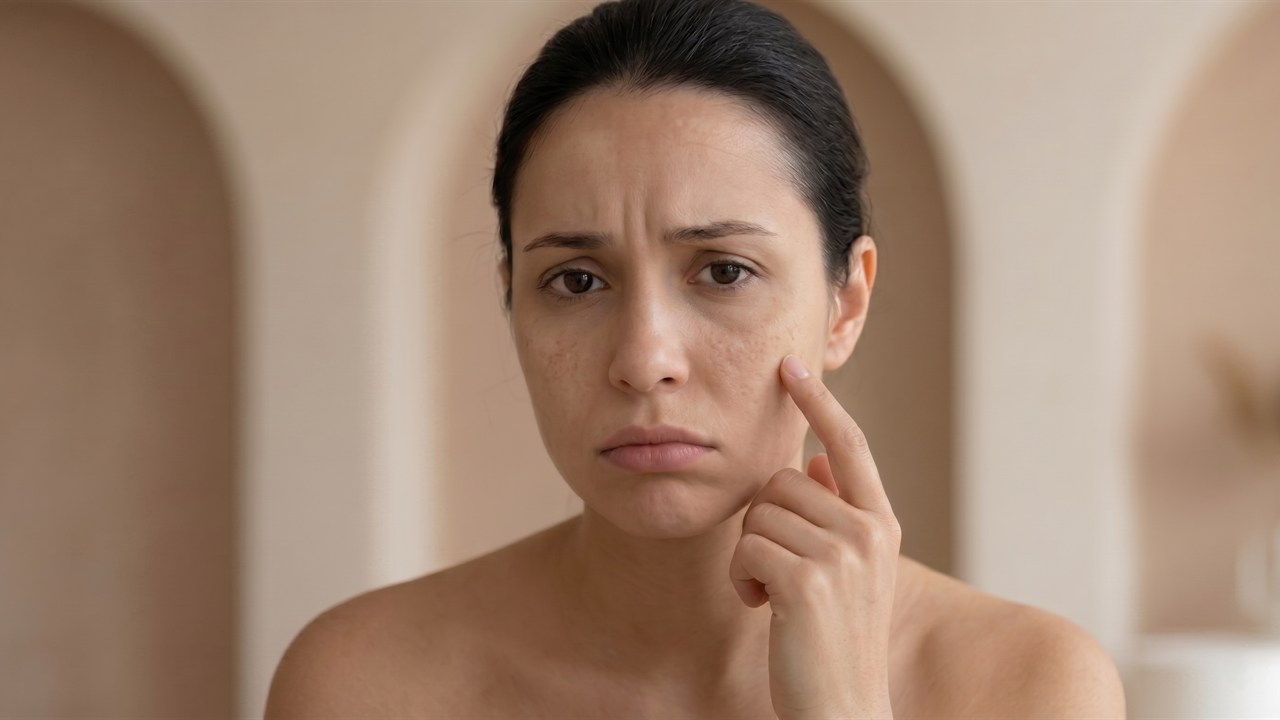
Dry and dull skin on bad days. We all have them. But the case may be worse for pregnant mothers. Have you begun to notice the skin changes during this time in your life, such as acne, dark patches, or heightened sensitivity? The core reason for such changes is the hormonal shift and altered blood circulation in your body. Most of these changes improve after delivery, although DermNet notes that some may not clear completely.
The bright side: pregnancy glow
However, that’s not to say they can’t be soothed during pregnancy. First, let us look at the best skin change mothers face, and the one they want most: the pregnancy glow.
Yes, the best kind of skin change is waking up to radiant skin. Many mums are complimented on their glowing skin, which can look dewy and bright. It usually shows up in the second trimester, but it can appear at any point in pregnancy. And if you don’t see it, that is completely normal too: bodies respond to pregnancy in different ways.
Why does this happen? According to an obstetrician writing for Cleveland Clinic, your blood volume rises by almost 50% in pregnancy. This widens your blood vessels, which can give you rosy cheeks. At the same time, a surge in hormones makes your skin produce more oil, so it looks shinier. That same extra oil is why some mums get breakouts.
Tips to maintain the glow: The pregnancy glow is natural for sure, but you can look after it with prenatal facials and a gentle routine at home. If you enjoy a home mask, keep it simple. A mix of 1 tablespoon of aloe vera gel and 1 tablespoon of rose water, washed off after 20 minutes, feels cool and soothing. Patch test it on your inner arm first, and stop if your skin stings or reddens.
Another way to look after the pregnancy glow is a pampering facial. Our Glowing Skin Facial combines gentle exfoliation with Cold Machine Technology to calm redness and lock in moisture, and it is safe from the first trimester.
Eight skin changes, and how to handle them
Besides the well-known joys of having a little bun in your oven, many mums notice the following skin changes during and after pregnancy. Here is what is behind each one, what the evidence says helps, and when to ask your doctor.
Mask of pregnancy (melasma)
If you begin to notice dark patches appearing out of nowhere, don’t panic. This is melasma, also called chloasma. The AAD says the rise in oestrogen and progesterone in pregnancy is thought to trigger it, and sunlight makes your skin produce more pigment. It shows up on the cheeks, forehead, nose or above the upper lip. DermNet says it develops in about 70% of women in the second half of pregnancy. Sun protection is your most important defence: a broad-spectrum sunscreen of SPF 30 or higher, a wide-brimmed hat and shade. The AAD suggests mineral sunscreens with zinc oxide or titanium dioxide, or a tinted one with iron oxide, and reapplying every two hours when you are outdoors.
Linea nigra and darker skin
A dark line running down the middle of your tummy is called the linea nigra. It usually comes with a general darkening of areas that already have more pigment, such as the nipples and areolae. DermNet says this appears in the first trimester and affects 90% of pregnant women, particularly those with skin of colour. DermNet lists it among the normal skin changes of pregnancy. Like most of them, it tends to improve after birth, though it may not clear completely.
Pregnancy acne
Acne, pimples, or zits are another skin change you may notice. Pregnancy hormones make your skin produce more oil, and the AAD lists pregnancy among the times when shifting hormones can lead to breakouts. DermNet notes acne tends to flare in early pregnancy and often improves later on. Wash with a gentle cleanser twice a day and check every acne product with your doctor. The AAD says isotretinoin, tazarotene and spironolactone must be stopped straight away, and most experts recommend stopping tretinoin and adapalene too. Our guide to pregnancy breakouts covers the safer options.
Stretch marks
Pregnancy and stretch marks often go hand in hand. The NHS says they affect around 8 in 10 pregnant women. They happen when the middle layer of skin is stretched and breaks in places, and they can look pink, red, purple or brown depending on your skin colour. You are more likely to get them if you gain more weight than average. After birth they usually fade into paler marks, but they probably will not go away completely. Be wary of products that promise more: the NHS says there is limited evidence that oils or creams prevent them. Moisturising can still keep tight, itchy skin comfortable.
Sensitive skin
With so many changes your body is going through, it’s not surprising if your skin feels more sensitive. Choose gentle products free of fragrance and harsh ingredients, and use fewer of them. The AAD advises a gentle, non-abrasive cleanser without alcohol, lukewarm water and your fingertips, because scrubbing and washcloths can irritate skin. Plain aloe vera gel can feel calming on warm days. As with any new product, patch test it first.
Varicose veins
Blue or purple veins making an appearance on your skin, especially your legs, are another effect of pregnancy. Your body carries much more blood in pregnancy, and the NHS lists pregnancy as one of the things that makes varicose veins more likely. Its self-help advice is to exercise regularly, such as walking, to improve blood flow, to put your legs up on cushions when you can, and not to stand for long periods. Ask your doctor whether compression stockings would help you. The NHS adds that varicose veins often get better or go away after your baby is born.
Itchy skin
Mild itching is common in pregnancy. The NHS says it can be caused by hormone changes and your skin stretching as your baby grows. Loose cotton clothing, cool or warm (not hot) baths and showers, and an unperfumed moisturiser can help. But itching can also be a sign of a liver condition called intrahepatic cholestasis of pregnancy. Contact your maternity unit or doctor promptly if the itching is severe, especially on the palms of your hands or the soles of your feet, or if it is worse at night.
Changes to existing conditions
An important point to keep in mind is that skin conditions you had before pregnancy can change. DermNet says eczema (atopic dermatitis) and psoriasis may get worse or better during pregnancy, and they usually return to how they were before once your baby is born. Tell your doctor or dermatologist your full skin history early in your pregnancy, and check with them before you start any new treatment or skincare ingredient.
BMB's pregnancy-safe skincare approach
At BMB, we aim to give our pregnant mums only the best, to help with comfort, wellness and support at every stage of your pregnancy. Our facial treatments are adjusted for hormonal skin, and we check every product we use against a list of ingredients that are safe for pregnant and breastfeeding mums. We do not use retinoids, salicylic acid above a safe level, or essential oils that should be avoided in the first trimester. If you have a medical condition or a complicated skin history, please check with your doctor before booking.
We offer two signature facials. The Glowing Skin Facial combines gentle exfoliation with advanced Cold Machine Technology. It tightens pores, calms redness and locks in moisture, and it is safe throughout all three trimesters and postpartum. The Glow & Contour Experience uses our non-invasive LPG V-Lift technology, with deep lymphatic drainage to clear fluid retention. It is best for mums from the second trimester onwards and throughout the postnatal year.
Which of these skin changes have you noticed during your pregnancy? Book an appointment with us and we will help with your skin concerns at every stage of your pregnancy, so you can feel confident and at your best. To find out which of our pregnancy-safe facials suits you best, chat with our front desk team. Our therapists look at your skin at each visit and work out what it needs that day, which may not be the same as last month. At home, keep to a simple daily routine of gentle cleanser, moisturiser and sunscreen, and check the labels against our guide to skincare ingredients to avoid during pregnancy.
How sun, sleep, and stress affect your skin
Pregnancy skin doesn’t care only about what you put on it. Sun exposure makes your skin produce more pigment, which is why steady sun protection matters so much for melasma, especially across the cheeks and the bridge of the nose where it is most visible. Stress plays a part too. The AAD explains that researchers have found a link between stress and acne flare-ups, because the body makes more androgens, the hormones that drive oil glands, when you are stressed. Broken sleep can also leave you, and your skin, looking dull and tired.
Getting the basics right (a comfortable side-sleeping position with a body pillow, regular gentle exercise, a sun-aware daily routine with reapplication every two hours outdoors, and asking for support when you need it) helps your skincare routine work. None of these habits is a quick fix, but together they give your skin the best conditions through pregnancy and the months after.
Pregnancy skin changes: common questions
Will melasma go away after I give birth?
Often, yes. The American Academy of Dermatology says melasma triggered by pregnancy can clear on its own after birth, but it can sometimes last for years. Daily sun protection gives it the best chance to fade: a broad-spectrum sunscreen of SPF 30 or higher, a wide-brimmed hat and shade.
Is the linea nigra permanent?
Usually not. The dark line down the middle of your tummy is one of the normal skin changes of pregnancy, and DermNet says it affects about 90% of pregnant women. Like other pregnancy pigment, it tends to improve after delivery, although it may not clear completely.
Can creams or oils prevent stretch marks?
There is limited evidence that they do. The NHS says stretch marks affect around 8 in 10 pregnant women, and there is no reliable evidence that creams remove them once they appear. Moisturising can still keep tight, itchy skin comfortable, and most marks fade to paler lines after birth.
Which acne treatments should I stop while pregnant?
The American Academy of Dermatology says to stop isotretinoin, tazarotene and spironolactone straight away, and most experts recommend stopping tretinoin and adapalene too. Talk to your doctor before you stop or start any prescribed treatment.
When is itchy skin in pregnancy a warning sign?
Mild itching is common as your skin stretches. The NHS advises contacting your maternity unit or doctor promptly if the itching is severe, especially on the palms of your hands or the soles of your feet, as it can be a sign of a liver condition called intrahepatic cholestasis of pregnancy.
Sources
- DermNet. Skin changes in pregnancy.
- Cleveland Clinic. Pregnancy glow, with Dr Catherine Caponero, 2023.
- American Academy of Dermatology. Melasma: causes, Melasma: diagnosis and treatment and How to apply sunscreen.
- American Academy of Dermatology. Is any acne treatment safe to use during pregnancy?, Adult acne and Face washing 101.
- NHS. Stretch marks in pregnancy, Itching and intrahepatic cholestasis of pregnancy and Varicose veins.
This article is general information, not medical advice. If you are worried about a change in your skin, please see your doctor. Updated 05/10/2026.