

Weight Gain during Pregnancy: Is it normal?
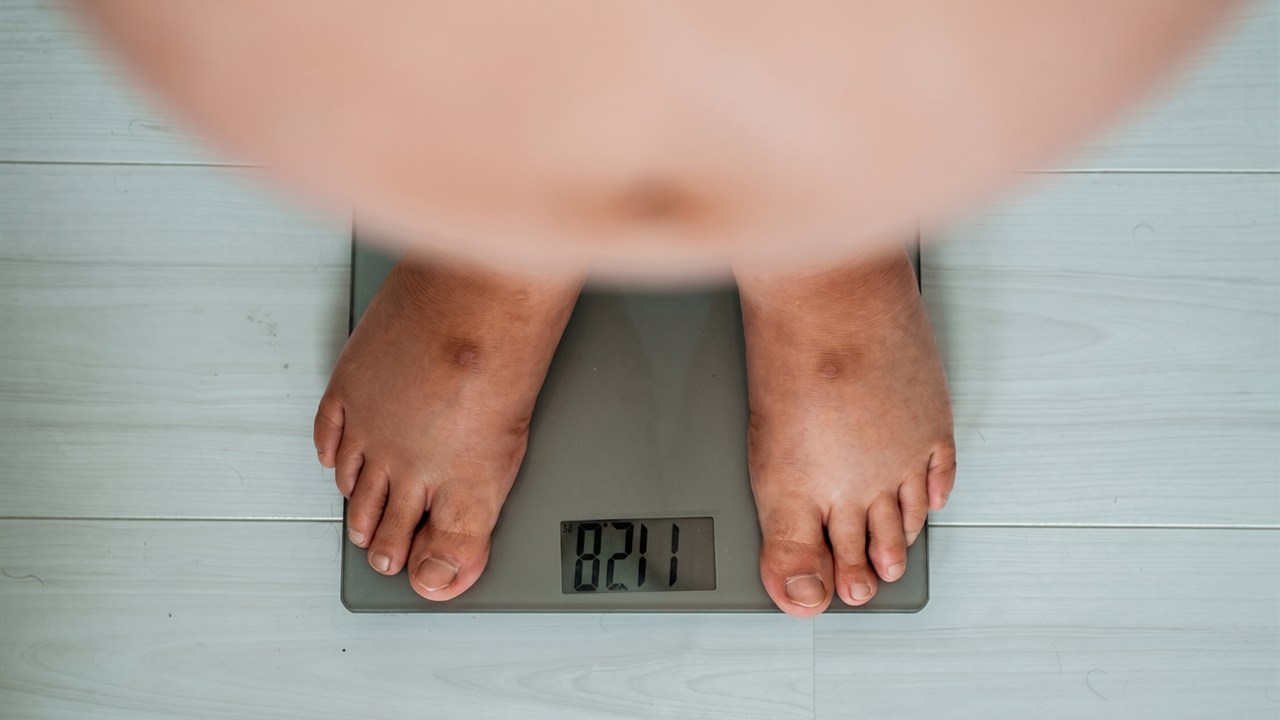
An important consideration during your pregnancy is monitoring and working on maintaining an ideal weight range for your body. On average, women gain approximately 7 to 18 kilograms during pregnancy, a wide range, because every body is different and there is no one “right” number that applies to everyone.
Why gaining weight matters in pregnancy
Understanding why you need to gain weight and how much is typically recommended can help you through your pregnancy. Along with your own research, following up with your doctor is the best advice for the health of both you and your baby.
According to professor of nutritional science Kathleen M. Rasmussen, it is important to support the growth of your baby and to avoid birth complications such as premature birth or low birth-weight baby. Both can persist into the baby’s adult life in the form of learning disabilities or compromised immune functioning. The extra weight helps in the development of your baby, placenta, amniotic fluid, body tissue, blood, larger uterus, and stored fat for breastfeeding. This makes the weight-gain process a major indicator of your and your baby’s health. You have to give your body the energy to function and develop properly during this stage through proper diet, exercise, and sleep.
The exact weight you must gain differs with each person and your health. There is no single target for pregnancy weight gain that suits everyone.
How much weight gain is recommended
There could be different reasons for differences in your weight gain. The two biggest factors are whether you’re carrying twins or triplets, and your weight before pregnancy. Broadly, in the first trimester you’re not expected to gain a lot. You might even lose a little weight from morning sickness. The bulk of weight gain happens in the second and third trimesters.
The American College of Obstetricians and Gynecologists offers a BMI-based guideline. To understand how much weight to gain for your health, calculate your pre-pregnancy Body Mass Index (BMI) and follow the band below.
Weight-gain bands by pre-pregnancy BMI
Underweight (BMI < 18.5)
Recommended gain: around 13–18 kg. If you start pregnancy underweight, additional reserves matter for both baby’s growth and your milk supply postpartum. Build the extra calories from nutrient-dense foods rather than processed sweets.
Normal (BMI 18.5–24.9)
Recommended gain: around 11–16 kg. Most expecting mums fall into this band. The weight goes to baby, placenta, amniotic fluid, blood volume, breast tissue, and stored fat for breastfeeding.
Overweight (BMI 25–29.9)
Recommended gain: around 7–11 kg (Tommy’s, 2020). A lower band protects against gestational diabetes and pre-eclampsia risk. Your obstetrician may also recommend gentle exercise and a structured nutrition plan.
Twins or multiples
If you’re carrying more than one baby, weight gain will be more, and more quickly, which is completely normal. Your obstetrician will track your gain against multi-pregnancy-specific bands rather than the singleton ranges above.
Gaining too much can lead to gestational diabetes, pre-eclampsia, an oversize baby, or premature birth. That’s why your obstetrician tracks gain at every visit.
How to gain weight through a healthy routine
The exact weight you must gain differs with each person and your health. Bodies differ due to health conditions, body types, lifestyle choices, and at-risk factors. Every woman’s needs are different, so planning is key. Use the BMI-based bands above to estimate your target, then adjust it with your doctor.
As the baby will receive nourishment from what you eat, eating a healthy balanced diet with loads of vitamins, minerals, and nutrients is crucial to keep your body healthy and your growing baby thriving. Consider adding 300 calories extra to your normal diet every day from the second trimester. Healthy fats (nut butter, coconut milk smoothies, or grilled chicken) are great additions. Avoid processed food, carbonated drinks, high-glycemic-index foods, and refined sugar.
Drink lots of fluids every day to stay hydrated. Doing 15 to 30 minutes of moderate exercise such as walking or pregnancy yoga will also help you keep a healthy weight. Stay in regular contact with your doctor or midwife throughout your pregnancy.