

Coping With Mood Swings During Pregnancy
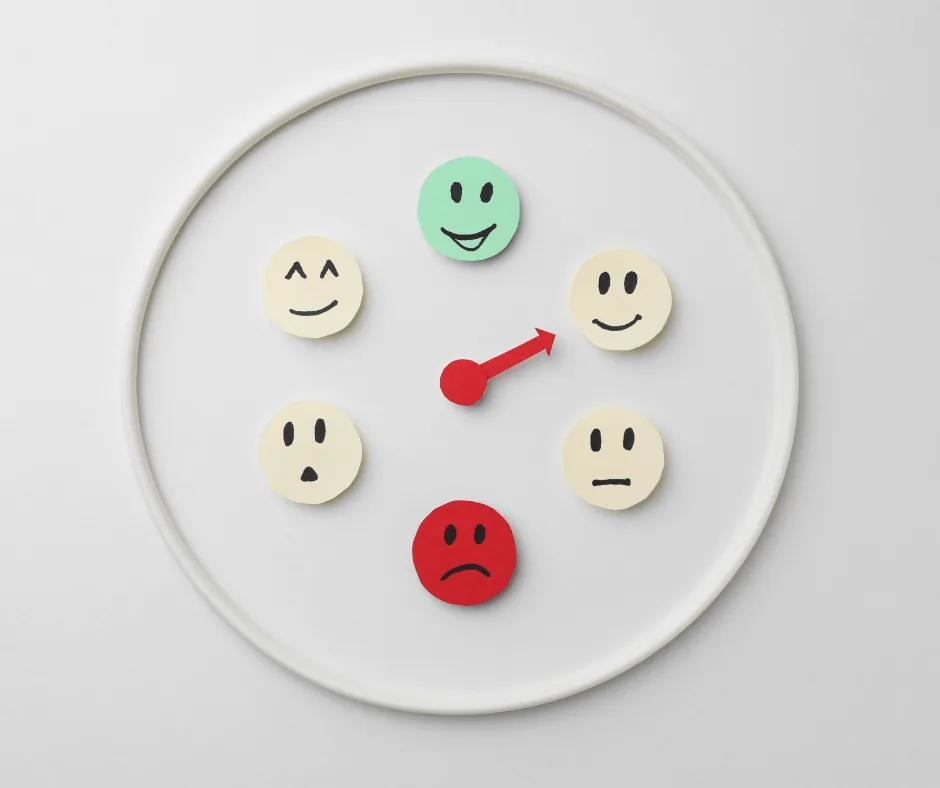
Mood swings are very common during pregnancy. They’re caused by a variety of factors including changes in hormone levels, the physical discomforts of pregnancy, and anxiety about the baby’s health. Most expecting mums experience them at some point, and most can manage them without medical intervention if they understand what’s happening.
Why mood swings happen in pregnancy
The increase in your estrogen levels tends to trigger anxiety and irritability, while the increase in progesterone leads to fatigue and tearfulness, which explains a lot about your pregnancy mood swings. Pregnancy is a huge transition in your life, so it’s normal to be a little anxious. The good news is that there are ways to prevent extreme mood swings during this time so that you can enjoy your pregnancy and look forward to the birth of your baby.
Mood swings tend to be most pronounced in the first trimester (when hormones are rapidly climbing) and again in the third trimester (when fatigue, sleep deprivation, and pre-birth anxiety stack on top of the ongoing hormonal load). Between those, in your second trimester, many mums describe a calmer middle stretch, the so-called “honeymoon trimester.” If you’re in that hard first or last stretch, knowing the spike is normal can take the edge off.
Mood swings are a normal aspect of pregnancy, don’t get frustrated with yourself if you can’t control your moods.
Six ways to cope with pregnancy mood swings
Be patient with yourself
You go from wildly ecstatic to weepy in the blink of an eye, terrifying for those around you, especially your husband and kids. Once you’ve calmed down, you realise your outburst affected your family and you can’t help but break down again. This can lead to a vicious cycle. Realise you are not to “blame” and cut yourself some slack.
Start each day on a positive note
It’s difficult to stay positive when you start each day being violently sick. Ask your husband to leave you little notes on the bathroom mirror, or have a sister or best friend send cute animal pics or baby videos before bed so you wake up to a cheerful message. Many mums also use an app to track your baby’s growth, a small dopamine boost first thing.
Create a support structure
Most of us instinctively turn to our spouses when we feel low. But if your partner is at work and can’t attend to your calls, you can’t rely solely on them. Build a strong support structure of family members and friends. Studies show that social support reduces stress and anxiety during pregnancy, lowering the risk of preterm labour, and talking to women who have been through this helps enormously.
Exercise daily
You get tired more easily when you’re pregnant, especially in your second and third trimesters. The last thing you want to do is exercise, but it’s exactly what you need. Physical activity triggers a release of endorphins (“happy hormones”), reduces stress, and lowers the frequency and severity of mood swings. Regular prenatal exercise also improves brain development and cognitive function in newborns.
Prioritise your sleep
It’s not easy to get a good night’s sleep, especially in the second and third trimesters. Inadequate sleep causes anxiety, irritability, and fatigue, all amplifying mood swings. Follow a regular sleep schedule, avoid spicy foods and heavy meals before bed, and invest in a full-body pillow for proper belly support. It also helps prevent back pain and leg cramps.
Opt for a prenatal massage
A prenatal massage is a great way to relax and simply let go of your stress and tension. Treat yourself to a soothing prenatal massage and you’ll find your negative thoughts and mood swings disappear. Sessions are done by certified therapists in a calm, dimly lit room. They are meant to help you enjoy your pregnancy again, and they also reduce muscle and joint pain and swelling.
Talk to your family about how you feel and figure out ways everyone can help to reduce your mood swings. You don’t have to manage this alone.
When to talk to your doctor
If your mood shifts last more than two weeks, you find yourself unable to enjoy things that used to bring joy, or you have any thoughts of harming yourself or the baby, please reach out to your obstetrician or a perinatal mental health professional. Antenatal depression and anxiety are common, treatable, and not a reflection on you as a mother. Early intervention makes the rest of pregnancy and the postpartum window far easier, for both you and the baby.
What treatment actually looks like
If the coping strategies above are not enough, the next step is smaller than most mums expect. NHS guidance on mental health in pregnancy notes that depression and anxiety in pregnancy can often be helped with a talking therapy such as cognitive behavioural therapy. Medicine is offered where it is needed, and where it is, you should be offered the safest option for you and your baby at the lowest effective dose.
One point in that guidance is worth repeating on its own, because mums get it wrong in good faith: if you are already taking a prescribed medicine when you find out you are pregnant, do not stop it before you have spoken to your doctor. Tell them as soon as you can and let them make the change with you. Stopping abruptly can be riskier than the medicine.
Anyone with a long-term condition such as bipolar disorder, schizophrenia, OCD or an eating disorder should be referred to a specialist perinatal mental health service rather than managed in general care. In Singapore, ask your obstetrician or polyclinic to point you to the nearest one.
Along with medical care, the practical support around you matters too. A prenatal massage gives you a calm hour just for you. If you are deciding on help for the weeks after delivery, our guide to confinement centres, nannies and at-home care sets out the options side by side, so the decision is one less thing on your mind.
Pregnancy mood swings: common questions
Are mood swings a normal part of pregnancy?
Yes. Rising oestrogen tends to drive anxiety and irritability, while rising progesterone brings fatigue and tearfulness. Most expecting mums experience mood swings at some point, and most manage them without medical treatment once they understand what is causing them.
When are pregnancy mood swings worst?
Usually the first trimester, when hormone levels climb quickly, and again in the third, when fatigue, poor sleep and pre-birth anxiety stack on top of the hormonal load. The second trimester is often calmer, which is why it gets called the honeymoon trimester.
How do I tell ordinary mood swings from antenatal depression?
Look at two things: how long it lasts and how much of your life it affects. Mood swings come and go. Depression tends to stay. If low mood lasts more than two weeks, you cannot enjoy things that used to bring you joy, or you have any thoughts of harming yourself or the baby, contact your obstetrician or a perinatal mental health professional. Antenatal depression is common and treatable, and it says nothing about you as a mother.
I take antidepressants and have just found out I am pregnant. Should I stop?
Not on your own. NHS guidance is explicit that if you are already taking a prescribed medicine when you find out you are pregnant, you should tell your doctor or specialist as soon as possible and not stop taking it until you have spoken to them. They will weigh the options with you and switch to the safest effective choice if a change is needed.