

3 Hair and Scalp Problems New Moms Should Know About
If your hair started coming out in handfuls a few months after giving birth, you are not going bald. Postpartum hair loss is one of the changes mums in Singapore ask us about most, and for the large majority it settles on its own. Here is what is actually happening, what helps, and the point at which it is worth seeing a doctor.
What postpartum hair loss actually is
The medical name is telogen effluvium: a temporary shedding phase that happens when an unusually large group of hairs leaves the growth phase and enters the resting phase at the same time, then falls out together a few months later (StatPearls, Telogen Effluvium). During pregnancy, higher oestrogen keeps more hairs growing for longer, which is why your hair may have felt unusually thick. After birth those levels drop and the shedding that was postponed arrives all at once.
The American Academy of Dermatology describes this shedding as typically most noticeable around four months after delivery, with most women seeing their hair back to its usual fullness by their child's first birthday (AAD, Hair loss in new moms). It is a delay in normal shedding, not damage to your hair.
Postpartum shedding looks dramatic, but it is an accumulation of normal hair loss that was paused during pregnancy, not a sign something is wrong.
Why your scalp deserves the same attention as your skin
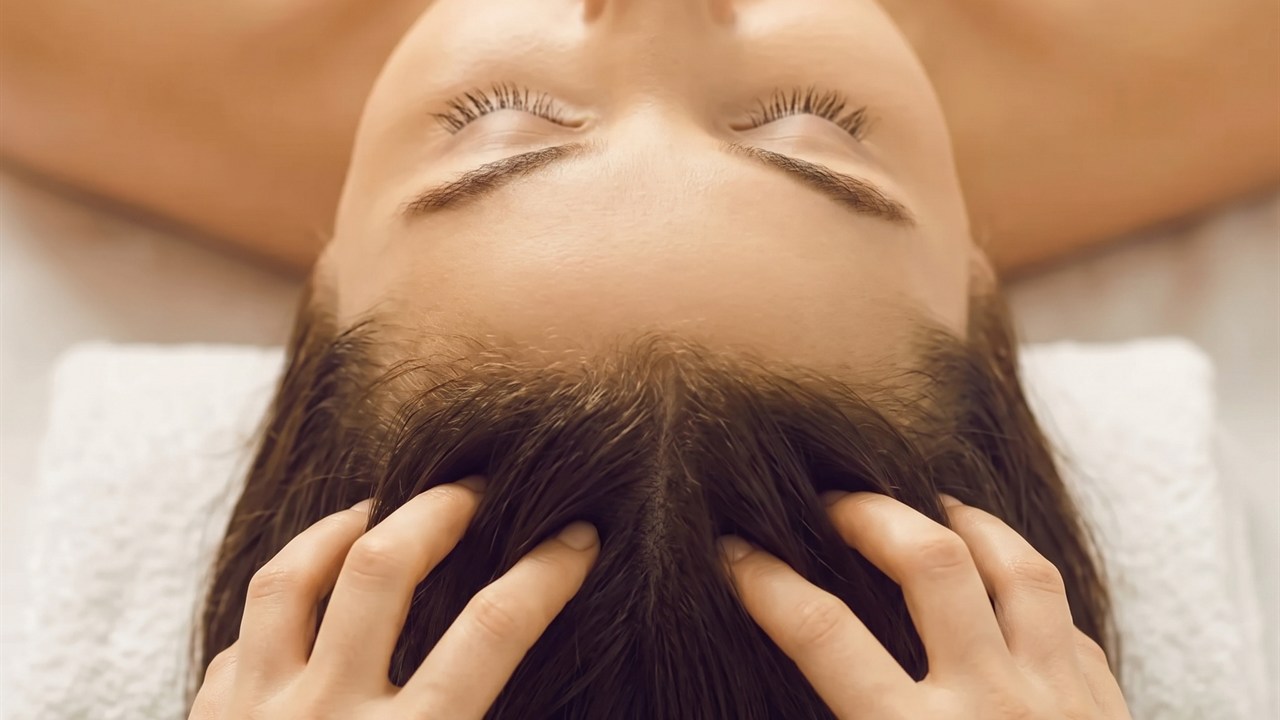
Your scalp is an extension of the skin on your face, so the skin on top of your head needs just as much care as the skin on the rest of your body. Your hair follicles get valuable nutrients from the blood supply to your scalp, so a healthy scalp is directly linked to healthy hair.
A healthy scalp ensures a good cell renewal process and that hair follicles get the nutrients they need to maintain healthy-looking hair, promote growth, and prevent loss. For your scalp to work properly, it needs a little more TLC during and after pregnancy.
Three hair and scalp conditions to look out for
Post-partum hair loss
Everybody loses hair daily, as part of a natural renewal process. Around 85 to 95% of your hair is in the anagen (growth) phase at any time, with the rest in the telogen (resting) phase. During pregnancy, soaring oestrogen and progesterone stimulate more hairs to stay in the growth phase longer, giving you thicker hair. The most common period for shedding is a few months after birth, when the hormonal drop sends those long-staying hairs into the transition phase together. It looks dramatic, but it is an accumulation of normal shedding that was paused during pregnancy.
Sensitive scalp
Hormonal changes during pregnancy may also cause other dermatological changes to the scalp, ranging from dry, itchy skin to greasy, acne-prone skin. These can lead to the new development or worsening of conditions like eczema or seborrheic dermatitis, which cause tenderness, irritation, or redness on the scalp. Hypoallergenic, fragrance-free cleansing routines tend to work best while your scalp is in this reactive state.
Greasy scalp & scalp acne
Many women experience acne during pregnancy, most commonly in the first and second trimesters, and this includes scalp acne. An increase in androgens causes the glands in your skin to produce more sebum, leading to greasiness. Excess sebum then clogs pores, leading to bacteria and fungus growth, which produces dandruff, inflammation, itchiness, and scalp acne. If you are pregnant or breastfeeding, check any active ingredient with your doctor or pharmacist before starting it.
What actually helps
There is no product that stops telogen effluvium early, because the shedding is already scheduled by the time you notice it. What you can do is protect the hair you have and support the regrowth underneath:
- Be gentle with wet hair. Wet hair stretches and snaps more easily. Detangle with a wide-tooth comb from the ends upward rather than brushing from the roots.
- Ease off tight styles. Tight ponytails, buns and braids add tension at the hairline, which is already the area most likely to look sparse.
- Turn the heat down. Limit straighteners, curling tongs and hot dryers while shedding is at its peak.
- Keep eating properly. Hair growth is one of the first things the body deprioritises when you are running short on iron or protein, and new mums are frequently short on both. Ask your doctor before starting any supplement, including iron.
- Give it time. Regrowth is often short, fine and sticks up around the hairline before it blends back in. That is a sign it is working.
How BMB supports your postnatal recovery
Hair shedding is one visible part of a much bigger recovery. It usually happens at the same time as tiredness, feeding problems and a body that still feels unfamiliar. Our postnatal care looks at all of this: postnatal massage for circulation and muscular recovery, lactation massage if feeding is painful or supply is a worry, and the BMB Recovery Package if you would rather have the first weeks planned for you, largely in your own home. If you are not sure what you need, The Lactation Clinic and our consultation team will talk it through with you first.
When to see a doctor
Postpartum shedding is expected. These are the signs worth getting looked at rather than waiting out:
- Hair is still shedding heavily beyond 12 months after birth.
- You are losing hair in distinct patches rather than diffusely across the scalp.
- The scalp is painful, scaling, or visibly inflamed, or there is scarring.
- Shedding comes with symptoms such as persistent exhaustion, palpitations or unexplained weight change, which can point to thyroid or iron issues worth testing.
A GP, dermatologist or trichologist can confirm whether this is ordinary postpartum shedding or something that needs treating. The NHS hair loss guidance is a useful plain-English overview of the wider causes.
Postpartum hair loss in Singapore: common questions
How long does postpartum hair loss last?
For most women the heaviest shedding is around four months after delivery and eases over the following months, with hair back to its usual fullness by around the baby's first birthday (AAD). If heavy shedding is still going past 12 months, have it checked.
Is it normal to lose this much hair after giving birth?
Yes. Pregnancy holds hairs in the growth phase for longer than usual, so when hormone levels fall after birth, months of postponed shedding happen at once. That is why it feels alarming even though the total amount lost is normal.
Can I stop postpartum hair loss?
Not once it has started, because the hairs shedding now already entered the resting phase months earlier. What helps is avoiding extra breakage from tight styling and heat, eating well, treating any scalp condition, and letting the cycle finish. Check any active ingredient or supplement with your doctor first if you are breastfeeding.
Does breastfeeding cause hair loss?
No. The trigger is the drop in pregnancy hormones after delivery, not breastfeeding, and stopping breastfeeding will not shorten the shedding. Nutrition matters while feeding, so speak to your doctor if you are concerned about iron or overall intake.